Elevate Your Building Design with the Knowledge of CDA Architects
Understanding the Collaborative Process Between Designers and Engineers in Modern Building Projects
The joint procedure between engineers and engineers is essential in contemporary construction jobs, as it integrates layout intent with engineering usefulness. Exploring these characteristics discloses insights that can significantly affect task end results and overall industry criteria.
The Importance of Partnership
The joint synergy between engineers and engineers is crucial for the successful realization of any type of construction job. This collaboration unites unique know-how and perspectives, allowing the combination of cutting-edge layout with practical engineering options. By interacting, architects and engineers can make sure that a job not just fulfills visual and functional requirements however additionally complies with security, sustainability, and monetary restrictions.
Cooperation cultivates a common vision, facilitating the positioning of goals and expectations from the beginning. This positioning is critical in addressing potential difficulties and mitigating dangers that might occur during the project lifecycle. A collaborative method allows for the efficient appropriation of sources, maximizing both time and cost.
The significance of collaboration encompasses the repetitive procedure of style and construction, where comments from designers can notify architectural choices, causing more feasible and lasting styles. Conversely, designers can inspire designers to believe creatively concerning exactly how to achieve structural stability without compromising imaginative intent. Inevitably, the joint relationship between designers and engineers is not simply valuable; it is essential to the creation of high-grade, useful, and ingenious built environments that meet the demands of culture.
Communication Methods and Devices
Effective interaction techniques and devices are crucial for promoting collaboration in between engineers and designers throughout the task lifecycle. Establishing clear channels of interaction is vital to make certain that all team members are lined up with project objectives, timelines, and obligations. Routine conferences, both in-person and virtual, supply opportunities for stakeholders to go over progression, address problems, and make notified choices.
Making use of job management software application, such as BIM (Structure Information Modeling) platforms, improves cooperation by enabling real-time sharing of design modifications and technological requirements. These tools assist in openness, permitting architects and engineers to picture changes and examine their influence on the general task.
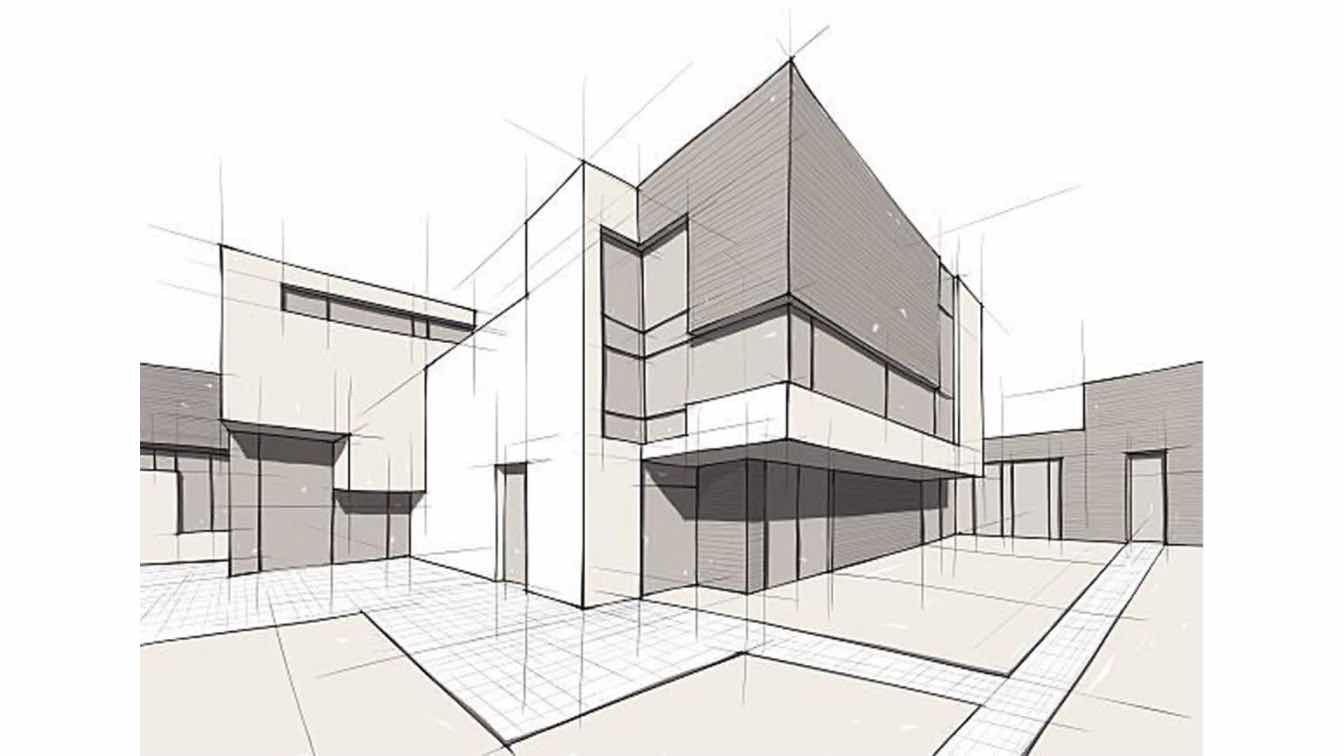
Shared Goals and Task Vision
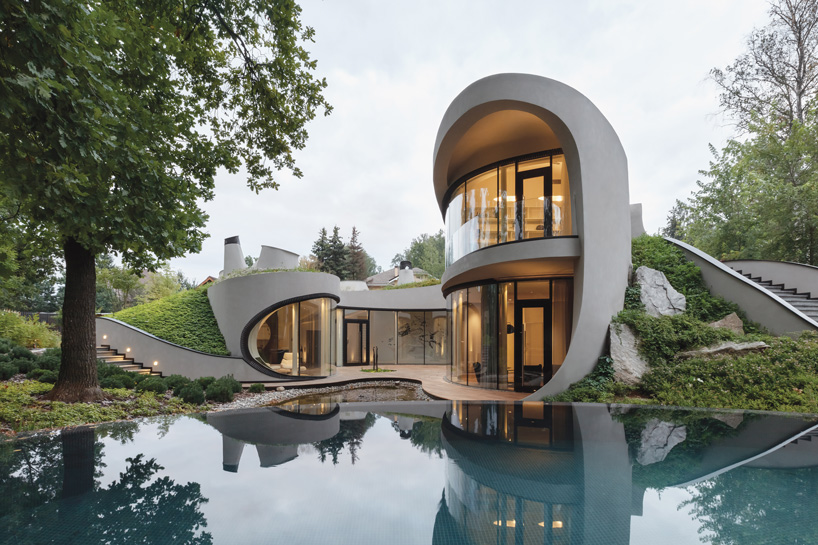
Establishing common goals includes open dialogue and a detailed understanding of each discipline's check my site payments. Architects normally concentrate on style intent, spatial relationships, and individual experience, while engineers highlight architectural stability, systems capability, and compliance with guidelines (cda architects). When these viewpoints are aligned, the result is a natural project that sticks to both innovative aspirations and technical expediency
Additionally, a distinct project vision cultivates accountability among employee, urging each participant to take ownership of their function in attaining the preferred end result. Regular check-ins and collaborative workshops can even more strengthen this dedication, permitting for adjustments to be made as the task progresses. Inevitably, a common vision not just boosts synergy but likewise elevates the high quality of the final deliverable, leading to effective project conclusion.
The Role of Technology
Leveraging innovation has actually come to be crucial in improving collaboration in between architects and designers. The integration of innovative software application devices promotes real-time interaction and information sharing, making it possible for groups to work more efficiently and successfully. Building Info Modeling (BIM) stands out as an essential technology, enabling both engineers and engineers to develop detailed 3D models that encapsulate layout intent and structural stability. This common graph decreases misunderstandings and simplifies the decision-making process.
Additionally, cloud-based systems make it possible for smooth partnership, enabling job stakeholders to accessibility and upgrade task data from anywhere. This fosters a culture of transparency and accountability, as modifications can be tracked and evaluated in real-time. Additionally, mobile applications further improve communication, offering on-site teams with instant access to job specs and updates.
Emerging technologies such Learn More Here as synthetic knowledge and equipment understanding are additionally beginning to play a function in predictive analysis, helping groups recognize possible issues prior to they develop. Eventually, the function of technology in architecture-engineering collaboration not only boosts operations performances yet additionally improves development, resulting in more effective project end results. By embracing these technological innovations, engineers and engineers can guarantee a much more cohesive and productive joint procedure throughout the building lifecycle.
Study in Effective Partnerships
Countless study highlight the extensive impact of reliable collaborations in between architects and designers on task results. One notable instance is the collaboration on the High Line in New York City City, where landscape designers, designers, and metropolitan planners interacted to change an abandoned railway into a lively public park. This multidisciplinary method not just enhanced the aesthetic top quality but additionally guaranteed architectural security and ecological sustainability.
Another excellent case is the design and building and construction of the Sydney Opera House. The collaboration between engineer JÃ ¸ rn Utzon and structural designer Ove Arup exemplified ingenious analytic. Their collaboration permitted for the iconic shell-like layout while resolving complex design challenges, eventually bring about a timeless architectural work of art.
The Burj Khalifa in Dubai better demonstrates the relevance of joint initiatives. cda architects. The assimilation of architecture and engineering experience enabled the task team to accomplish extraordinary elevations while sticking to safety guidelines and aesthetic vision
These examples highlight the value of interaction, depend on, and shared purposes. In today's intricate construction environment, such collaborations are necessary to navigating difficulties and providing jobs that satisfy both practical and visionary goals.
Verdict
In final thought, the collaboration between engineers and designers is important for the success of modern-day building and construction tasks. Effective communication techniques, a common job vision, and the integration of sophisticated technologies are critical parts that facilitate this partnership.